
 Everyone’s sympathies will go out to the family of three-week-old Reggie Blacklin, who was killed by the family’ pet terrier Tricky, (thought to be a Patterdale type, whilst his mum Maria was away visiting a dying relative.
Maria left Reggie in the care of her partner Ryan Young who was the owner of the dog. Despite the dog normally being kept outside, it somehow found its way into the home and attacked poor Reggie, causing fatal injuries. Neighbours report that the dog was normally friendly and great with children and of course this incident has caused major shock in the local community, as well as in the dog world.
Whilst there must have been initial thoughts that this must have been yet another incident involving a Pitbull-type, it is extremely worrying in fact that it appears that these fatal injuries have been inflicted to an innocent baby by a popular breed of dog, not necessarily renowned for aggression to humans, although they can be very feisty with other dogs. I have worked with Patterdales and Lakeland’s many times before, always for issues of dog aggression. However, I have been called in numerous times by worried parents or prospective parents of new babies, who own a terrier which has been giving them cause for concern, either immediately prior to the birth of a baby, or just after it has been brought home from hospital. I have also conducted assessments at the request of social services as part of adoption processes of young children and babies.
My advice to any parents who are concerned about the behaviour of their dog (of whatever breed) towards their new baby, is not to over react by simply rehoming the dog. At the earliest opportunity, you should seek the assistance of an EXPERIENCED behaviourist who knows what they are doing.
I say this as I recently worked with a couple who had been told by another behaviourist to re-home their Dog who had some dog aggression and minor guarding issues with visitors to the home. The owners, who had never been even remotely threatened by their dog, were told that they had “a potential serial killer in the house” and that they should “re home it as soon as possible”. All this by a behaviourist who had never even seen the dog. As if there aren’t enough dogs in rescue without such unprofessional advice from a supposed expert.
Of course there are psychological ways to change a dogs perception of a new-born infant and my advice to any dog owner who has concerns about the potential of problems with their dog’s reactions to a new baby is:-
a. Consult an experienced dog behaviourist at an early stage, preferably BEFORE the baby is born. The couple with the dog I mentioned above did this and months later there have been no problems whatsoever. His dog aggression issues are cured too. I have had clients who have waited until after baby is born and have suffered from untold amounts of stress when the dog appears to be fixated on the new baby.
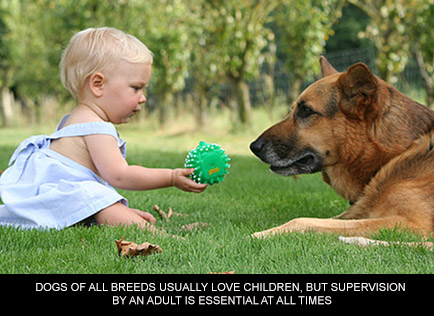
b. NEVER leave a dog of any kind alone in the room with a new-born baby, for even a few seconds. There are plenty of dog and baby gates on the market, which make it very easy to exclude the dog if for any reason you have to pop out of the room for a few minutes. Otherwise, exclude him and shut the door behind you. I always apply this rule to toddlers and slightly older children too. It is amazing how many people allow their children to play unsupervised with the family dog, often members of the guarding breeds and other powerful breeds. This can sometimes end in tears and usually the destruction of the poor dog, who has perhaps reacted to the excited squealing of one of its family members, perhaps perceiving a potential attack by a visiting friend, resulting in a bite.
So in summary, I sincerely hope this tragic incident does not lead to the needless knee-jerk rehoming of many innocent terriers in a panic measure by parents of new born babies. If you are in any doubt, just follow some simple safety rules and consult a behaviourist if you think your dog is a threat to your baby and preferably do it before the baby arrives.
PETER MOUNSEY, CANINE BEHAVIOURIST EXETER DEVON JUNE 2015.